

Governor Newsom transforms San Quentin, opens nation-leading learning center
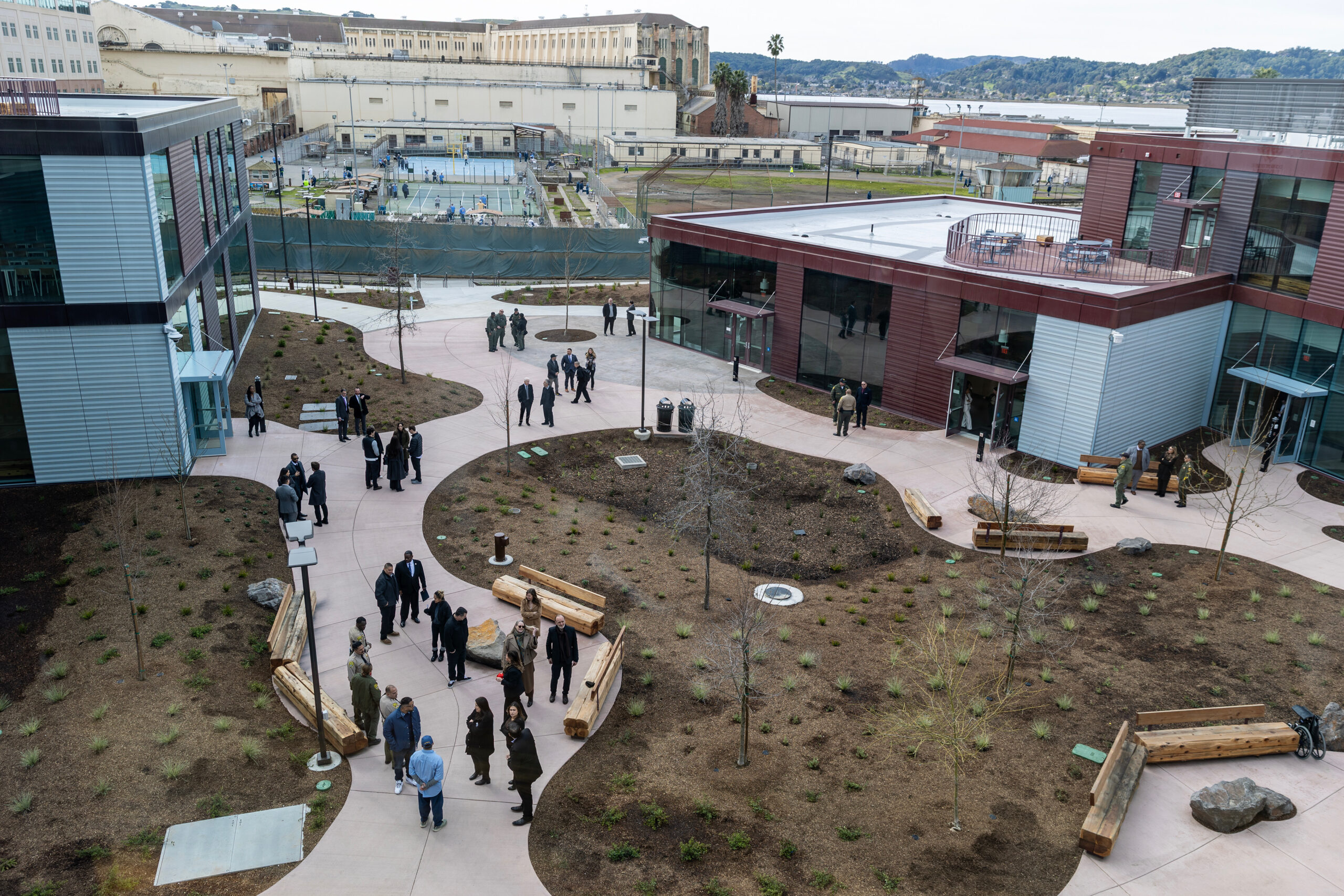
The three interconnected buildings include:
Building A – Technology and Media Center
-
A reentry center on the ground level — reinforcing that preparation for release begins on day one
-
Podcast studios, television production facilities, and recording spaces supporting nationally recognized programs like Ear Hustle and Uncuffed
-
Coding instruction through partners like The Last Mile
Building B – Education Hub
-
Partnerships with Cal State LA, UC Berkeley, and Mt. Tamalpais College
-
Classrooms supporting high school completion and college-level coursework
-
Expanded library and reading spaces
Building C – Community and Workforce Space
-
Multi-purpose gathering hall, café, and store to normalize social and vocational experiences
-
Outdoor classrooms with views of the Bay — the first time in years many will be able to see the water they’ve long been able to hear and smell
Designed in partnership with an architecture firm and informed by more than 50 stakeholder meetings — including incarcerated residents and staff — the complex uses natural light, open sightlines, green-building principles, and campus-style courtyards to create an environment grounded in dignity and accountability.
The 18-month progressive design-build project was completed on time and on budget at $239 million, funded through a lease revenue bond.
Crime is down, prevention works
Governor Newsom’s approach to public safety is all-encompassing – California has invested $2.1 billion since 2019 to fight crime, help local governments hire more police, and improve overall public safety.
On top of the investments to provide incarcerated residents with the tools to rehabilitate while serving their time, the Governor recently announced the awarding of $107 million in grant funding to help Californians avoid violence so that they never step foot inside a prison. Since 2019, the state has provided $350 million in violence intervention funding to stop more than 30,000 violent incidents from even happening.
National research shows that people who participate in correctional education programs are 43% less likely to return to prison. For every $1 invested in rehabilitation, taxpayers save more than $4 in reduced reincarceration costs.
“The opening of the new learning center at San Quentin Rehabilitation Center marks a major milestone in the ongoing transformation of CDCR facilities into places that center rehabilitation, inspired by Governor Newsom’s launch of the California Model,” said San Francisco District Attorney Brooke Jenkins. “The new learning center will scale the work that has begun here and provide residents with more tools to advance their individual journeys as they work to become better than when they came in, making us all safer in turn.”
California’s transformation of San Quentin comes as crime continues to decline statewide. According to the Major Cities Chiefs Association, in California’s major cities:
Compared to 2019 (the last pre‑pandemic year), violent crime across the same large California city police departments tracked in the MCCA year‑end surveys is down about 12% in 2025 — driven by robberies down about 29% and homicides down about 12%.
Not every major jurisdiction is seeing California’s same results: violent crime increased in Atlanta (+17%), with robbery up (+27%), and homicides rose in El Paso (+25%) and Omaha (+37%).
This progress reflects a balanced approach — accountability alongside prevention.
Crime victims and survivors benefit from the increased accountability that results from effective rehabilitation programs. By nearly 3 to 1, crime survivor groups prefer sentences that hold individuals accountable while including programming that prevents recidivism. CDCR’s investment in rehabilitation increases public safety and breaks cycles of recidivism, which means fewer families are harmed by crime and safer communities.
Remaking San Quentin: the California Model
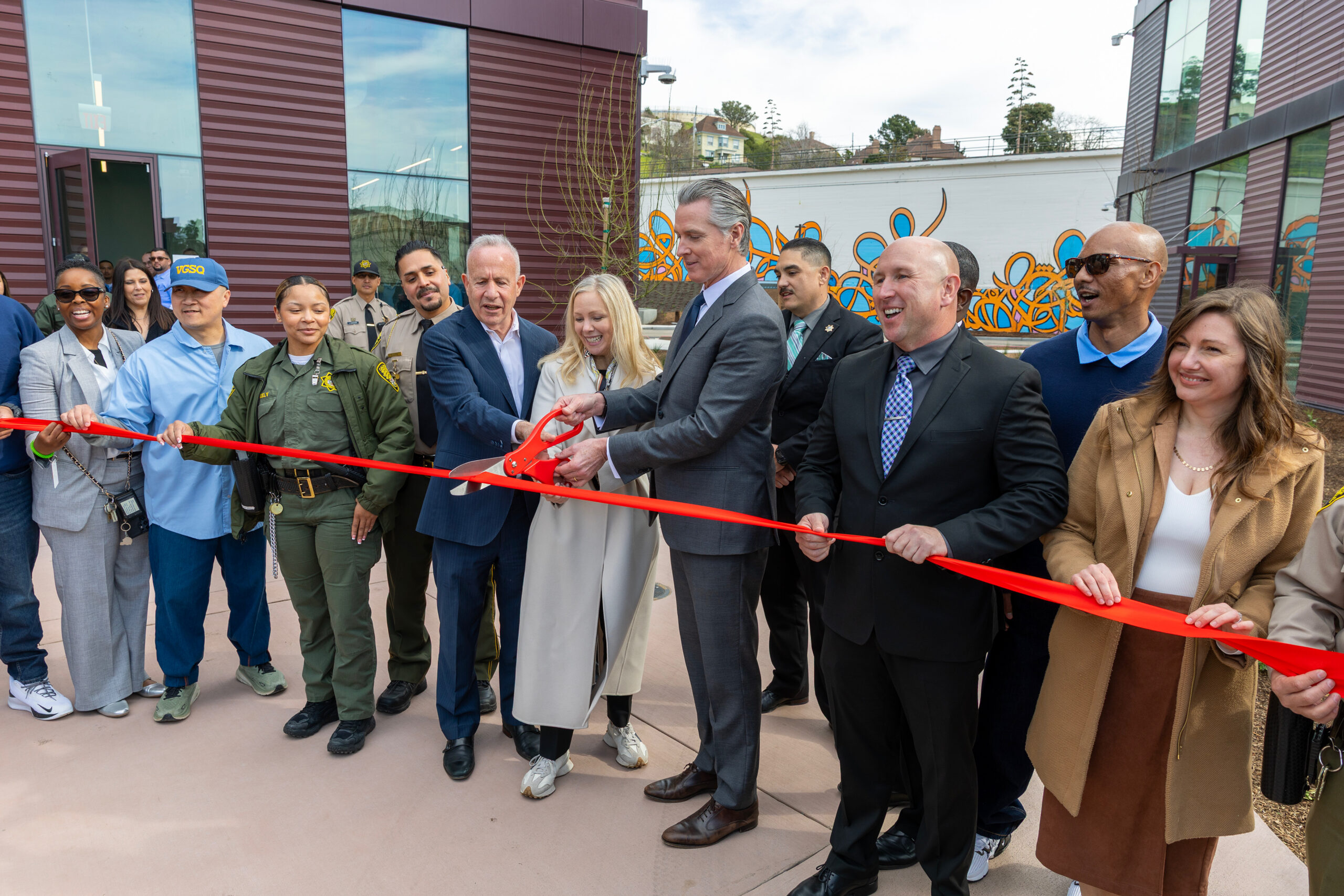
The Learning Center is the cornerstone of broader reforms, including:
-
Conversion of East Block, formerly death row, into rehabilitative housing
-
Repurposing of the Upper Yard into expanded recreation and community space
-
Installation of murals and art projects to humanize the environment
-
Greater staff participation in rehabilitative programming
Legal Disclaimer:
EIN Presswire provides this news content "as is" without warranty of any kind. We do not accept any responsibility or liability for the accuracy, content, images, videos, licenses, completeness, legality, or reliability of the information contained in this article. If you have any complaints or copyright issues related to this article, kindly contact the author above.
